What is CGIAR: Challenge Program on Water and Food
-

- Last updated:
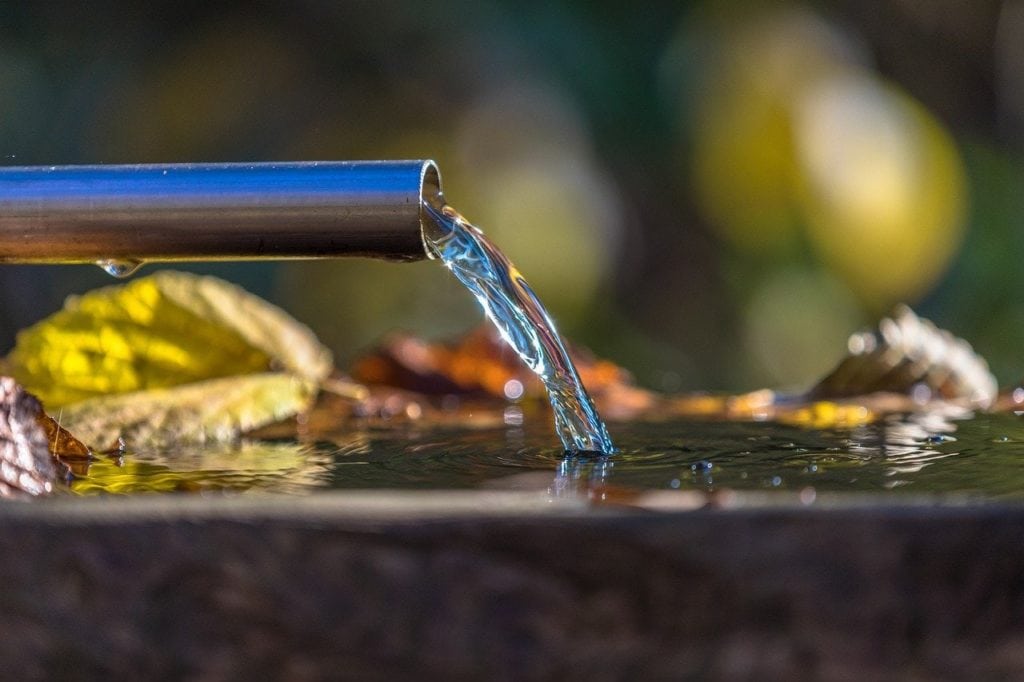
Imagine living in a world where everyone has access to clean water, safe food, and a resilient community. That is what CGIAR Challenge Program on Water and Food, or CPWF, worked to accomplish. Launched in 2002, CPWF was a reform initiative of CGIAR, which is the Consultative Group on International Agricultural Research.
What Was CPWF?
CPWF brought together multiple types of scientists, politicians, policymakers, land and agriculture development specialists, and communities. All of these groups worked together to improve water quality and management for consumption and food production. An important aspect of water management is to ensure water is not being routed from areas that need it or being polluted by agricultural or livestock runoff. By bringing management and education into the involved areas, they were able to research and develop appropriate approaches that allowed for the reduction of food and water scarcity, as well as poverty.
While CPWF was finalized in 2013, the long-lasting effects of the program have lived on, allowing for access to needed food and water items in areas that struggled previously. CPWF was a focused program, centered on ten of the largest river basins in the world. This program worked in the Andes, Ganges, Mekong, Nile, Volta, Limpopo, Karkheh, Niger, Sao Francisco, and Yellow River basins.
The First Phase
This program was approached via two phases, with the first phase beginning two years after the initial beginning of program development. The first phase of CPWF operated from 2004-2008 and was focused on identifying, defining, and solving food and water access problems in each area. The second phase of CPWF focused on basin development challenges, or BDCs, which were priority challenges identified via conversations and research involving stakeholders. This phase involved six of the river basins to create a more specialized focus on problem-solving. These river basins were the Andes, Ganges, Limpopo, Mekong, Nile, and Volta.
The Second Phase
In phase two of CPWF, each area had 4-5 programs that were developed from the identified challenges within each area. Then 4-5 partner institutions were brought in to work through each program, which allowed for 20 or more partner institutions to be involved in each basin area. This diversity meant that there was plenty of space for a multi-disciplinary approach to solving these problems and allowing for the betterment of the available resources in each area.
Some of the research topics involved in CPWF were the correlation between water scarcity and poverty, sustainable intensification of agriculture, benefit-sharing mechanisms, and multiple-use systems. CPWF also researched the abundance of water in areas experiencing water scarcity and drew the connection between the physical abundance of water, like rainwater, that is underutilized and often not clean or usable.
What’s Happening Now?
The research and insights from CPWF are currently being integrated into a different program from CGIAR called the CGIAR Research Program on Water, Land, and Ecosystems. CPWF helped improve the lives and livelihood of people in each basin area via carefully selected problems specific to each area, well-developed, multi-disciplinary programs, and improving the agriculture, water, and food in each area.
Contents